Audio article best practices: 11 ways to boost listener engagement
Audio articles get more engagement when they’re presented and promoted thoughtfully.
In this post, we’ll share audio article best practices informed by our close partnerships with leading publishers. So you can get more readers to click play—and keep listening.
Here are 11 ways to boost listener engagement:
1. Choose the right voice
Choosing the right voice for your audio articles reduces friction, strengthens trust, and makes the listening experience more enjoyable. So people listen for longer and come back for more.
Many publishers choose AI voices because they’re easy to scale and deliver a consistent listening experience across large volumes of content.
These are key factors to consider when choosing an AI voice:
- Naturalness and clarity: The voice should sound lifelike, with smooth pacing, natural emphasis, and accurate pronunciation, so it never distracts from the story.
- Brand alignment: The voice should feel true to your publication’s character. Consider whether the accent reflects the communities you serve and whether the voice’s personality fits your newsroom.
- Tone and editorial fit: The delivery should suit the content. For example, a steady tone helps serious reporting feel more credible. You may want to use different voices across different categories.
At BeyondWords, we curate AI voices from ElevenLabs and Azure to give you the best possible balance of quality and variety. And we can help you find the best options for your publication.
That said, we recommend voice cloning above anything else.
Clone your journalists’ voices
Cloning your journalists’ voices is one of the most effective ways to make your AI audio feel authentic, distinctive, and closely aligned with your newsroom’s identity. It can deepen audience connection, encouraging listeners to stay engaged for longer and return more often.
If your newsroom already has recognizable voices (such as podcast hosts) cloning lets you extend the value of their voices without adding to their workload.
Publishers like News Corp Australia, SPH Media, Schibsted, and La Nación have worked with BeyondWords to create Professional voice clones for their publications.

2. Customize the audio player
Customizing the player is one of the simplest ways to make audio feel more integrated with your website or app and increase playback rates.
If you’re using the BeyondWords Player, you can choose from Small, Standard, or Large player designs. Each offers a different balance between visibility and functionality.
Whatever player size you choose, update the background, icon, and text colors so they fit naturally with your light and dark mode designs. Aim for strong contrast to ensure accessibility and make the play button easy to spot.
If you prefer full control over the design and behavior of your player, you can build custom interfaces using our JavaScript, iOS, and Android SDKs.
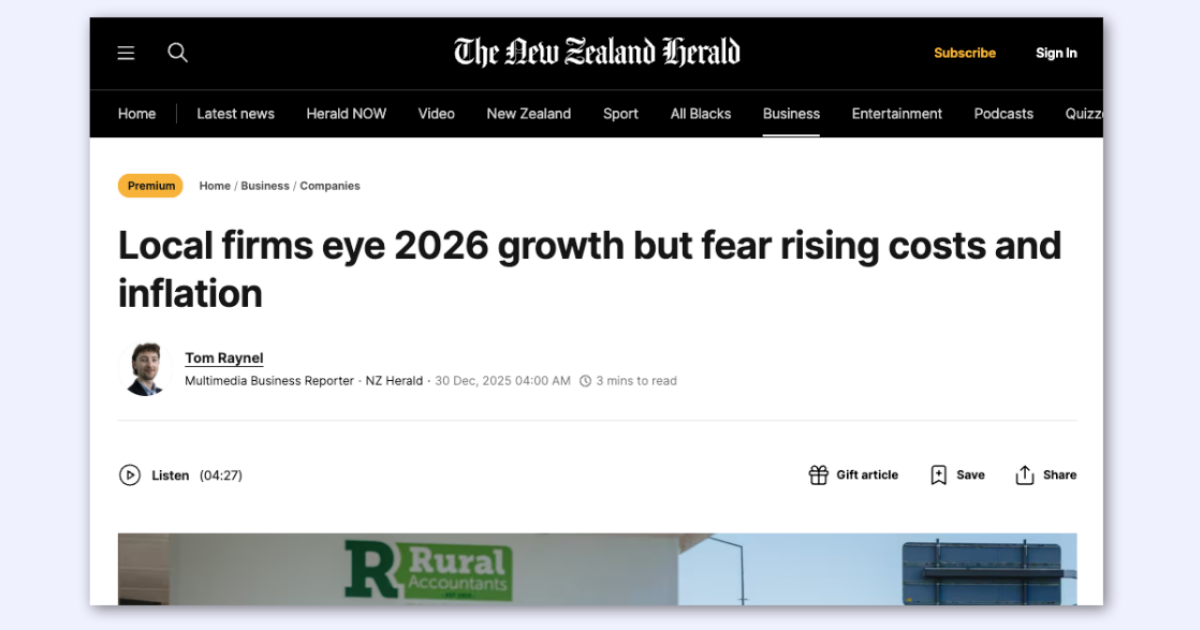
3. Position the player (and widget) strategically
We recommend positioning the audio player directly above the featured image or first paragraph of your article, so it’s easy for prospective listeners to discover.
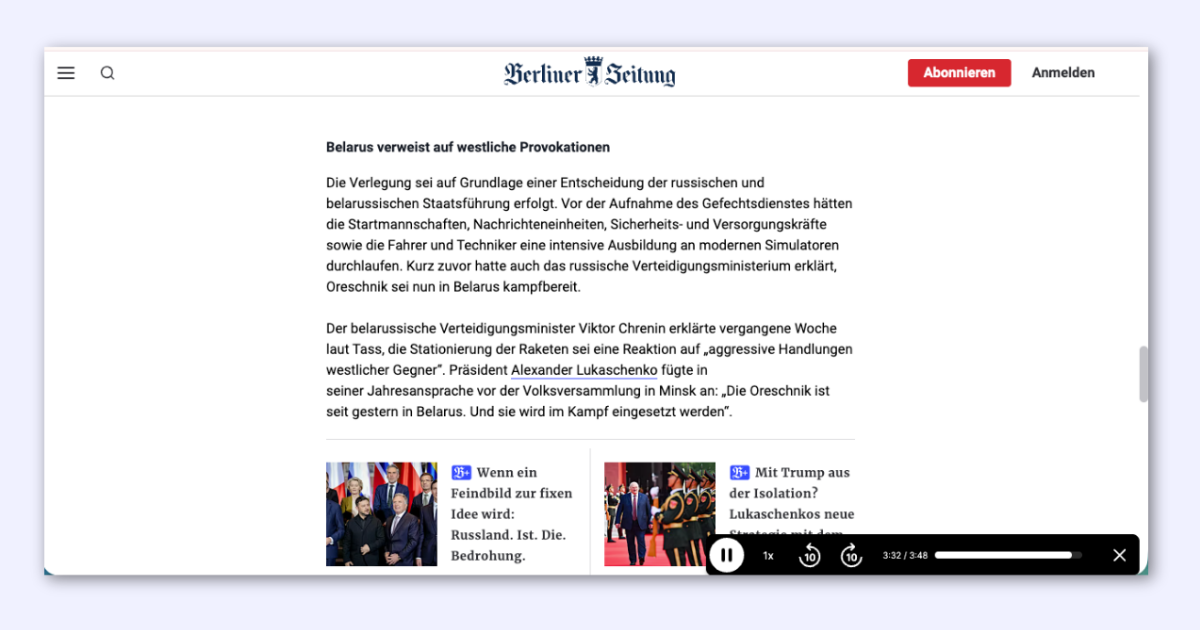
Also enable the BeyondWords Player widget, so users can access the player as they scroll down the page. Alternatively, build a custom solution for your website or app.
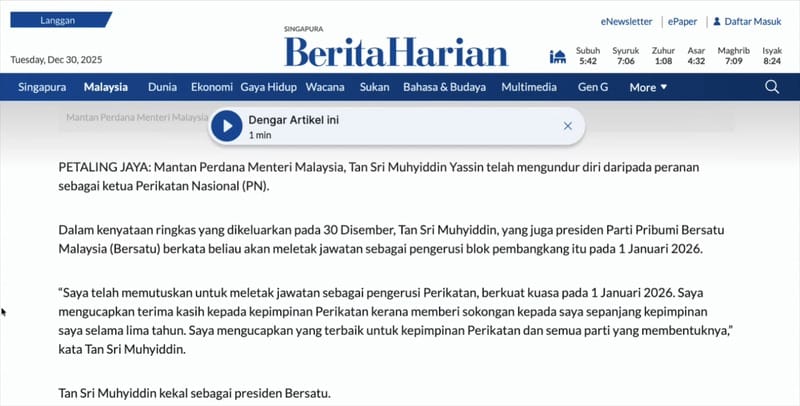
4. Enable playback-by-paragraph
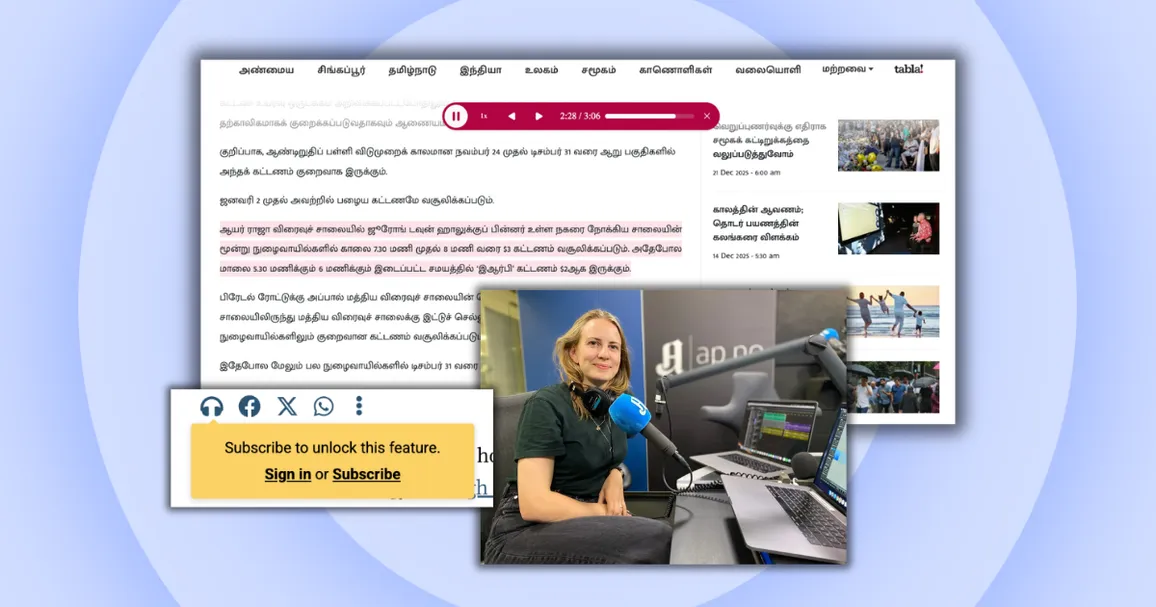
JFM boosted audio engagement rates tenfold after enabling BeyondWords’ playback-by-paragraph feature, which lets readers click anywhere in an article to start (or stop) listening.
The feature lowers the barrier to audio by making it easy to try out, while also giving readers more control over how they consume a story. Together, these benefits can increase dwell time and improve reader satisfaction.
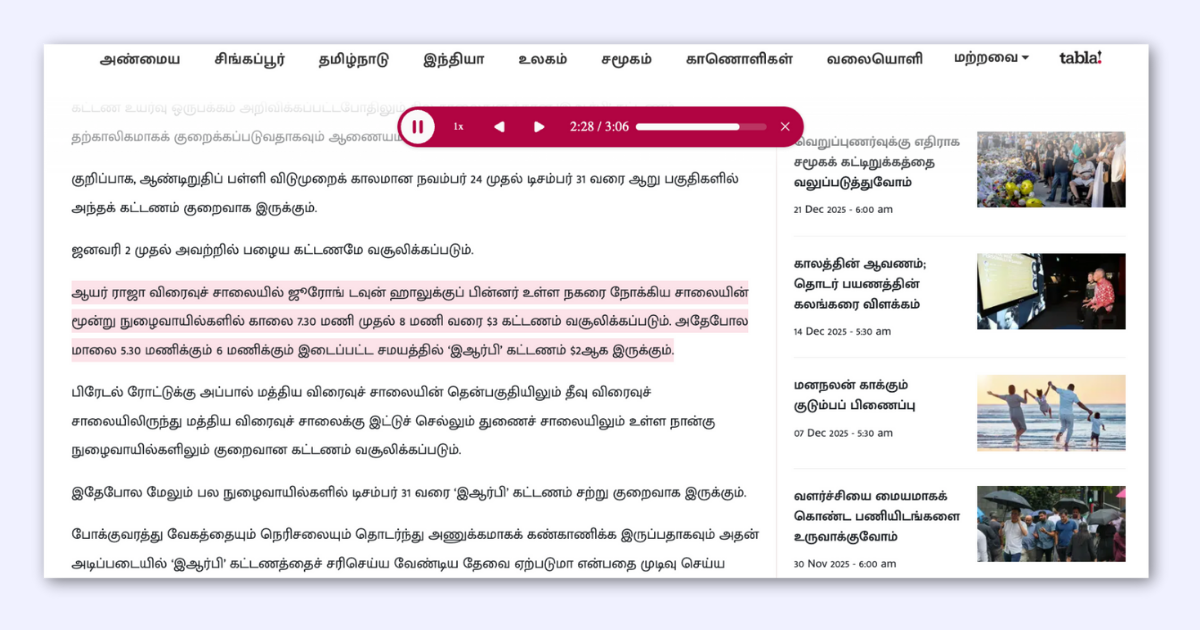
5. Use paragraph highlighting
With paragraph highlighting, the section of text being read aloud is highlighted in a color of your choice. This reduces the friction of switching between reading and listening, improves comprehension, and makes long-form articles easier to follow.
Combined with playback-by-paragraph, paragraph highlighting turns audio into a more interactive and navigable experience. This encourages deeper engagement and a longer time on page.
6. Create a seamless listening flow
A seamless listening flow means audio keeps playing unless the user chooses to stop it. This helps you hook listeners for longer and deliver a better user experience.
There are three main ways to deliver seamless playback:
- Persistent playback keeps audio playing as users navigate your website or app. The player persists across page loads, typically as a mini or sticky player.
- Continuous playback automatically plays the next audio article when the current one ends. You can define playlists or let users create their own listening queues.
- Navigation-triggered playback automatically switches audio when users open a new article, keeping playback aligned with the content being viewed.
You can enable all these types of seamless playback with the BeyondWords Player SDK.
7. Launch audio in-app
In-app audio is one of the most powerful ways to strengthen your app proposition. After all, audio is often a more convenient and habitual way to consume content on mobile devices.
Listening functionality also gives audiences a clearer reason to download and return to your app. By offering an audio experience within your own product, you can keep users engaged inside your ecosystem and build stronger long-term loyalty.
8. Brief your marketing team
When launching AI audio, brief your marketing team early so they can prepare supporting materials and align messaging across channels. Clear communication can play a crucial role in driving audio adoption—especially in the early stages.
Consider supporting your audio launch with:
- an article introducing audio or AI voices to your audience,
- a newsletter update highlighting how and where to listen,
- social posts showcasing the new listening experience, and
- on-site banners or in-product messages to prompt discovery.
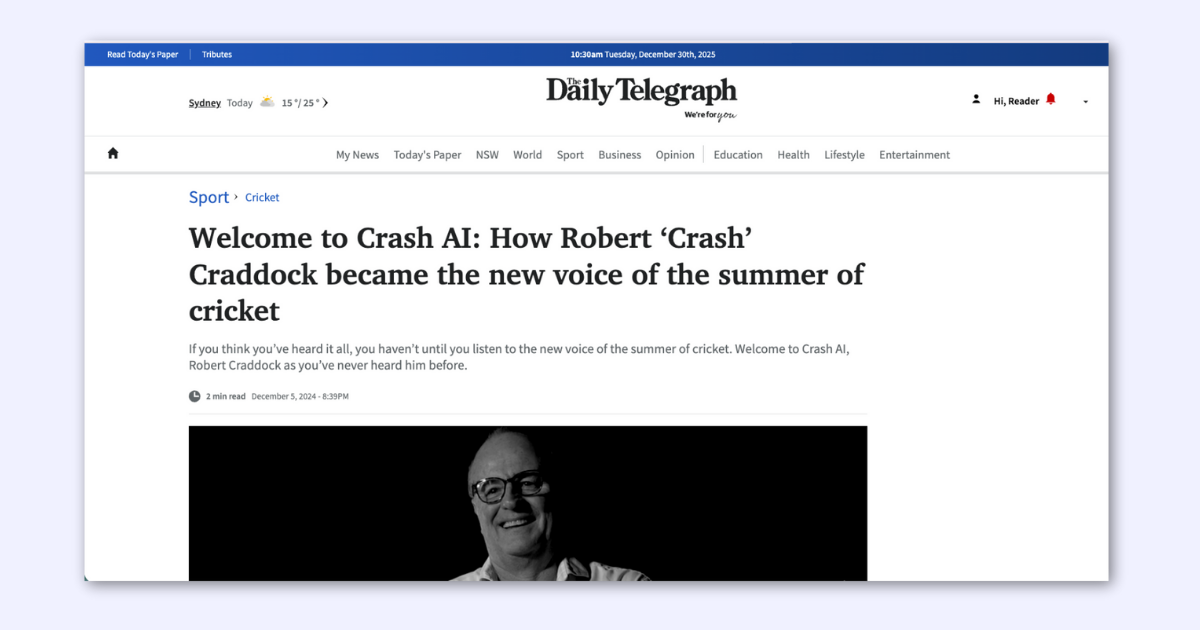
Also make audio part of your ongoing messaging. When promoting articles, remind audiences that they can read or listen, so audio becomes a clear and familiar choice.
9. Add audio enhancements
Simple audio enhancements can make your audio feel more polished and engaging, helping to increase listening time and encourage repeat listening.
- Intros and outros can make your audio more recognizable and professional, while also creating natural breaks between stories.
- Background music can be used to set or support the tone of a story, providing a consistent backdrop without distracting from the narration.
- Audio clips, such as interview extracts, can be manually inserted to add context and variety.
- Audio stings can be used to structure your audio and add pauses between sections.
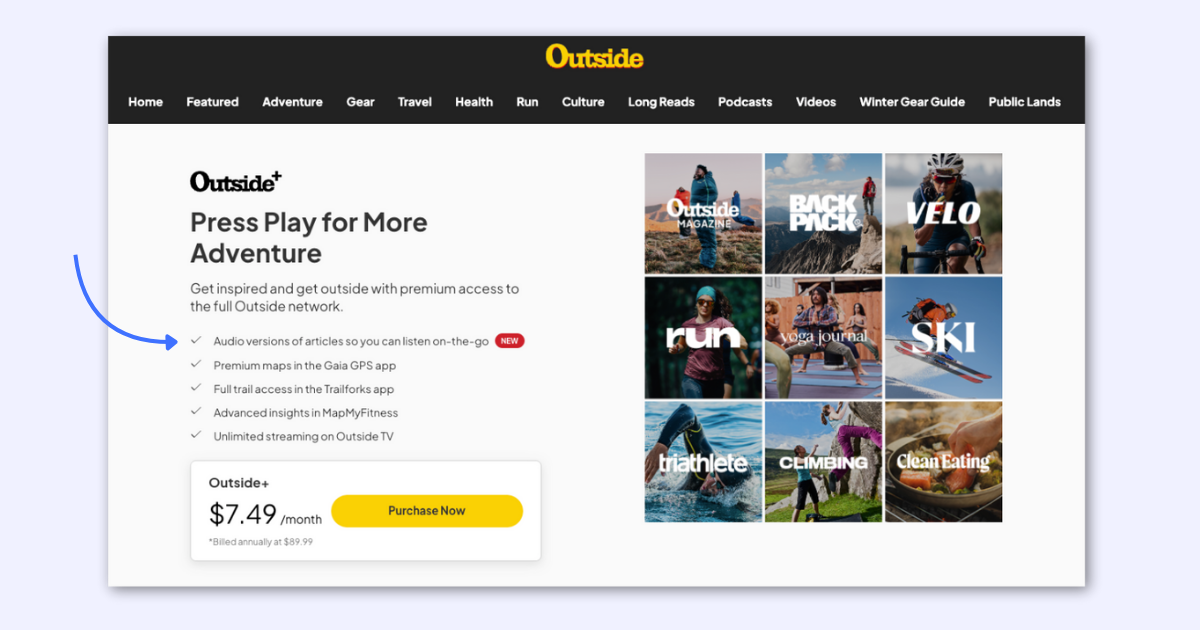
10. Promote your audio subscription perk
If audio is part of your subscription offering, make sure readers know about it—strong communication can boost conversions and retention.
For example, Outside highlights audio as a key benefit of its subscription plans:
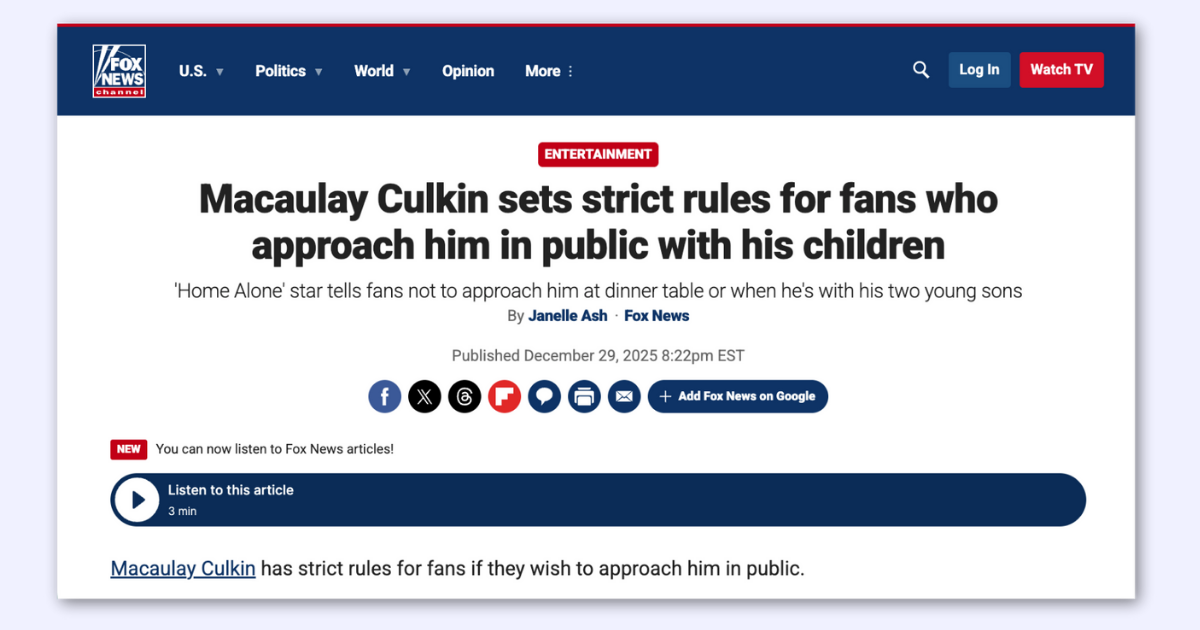
We also recommend that you display the audio feature to non-logged-in users. When they try to play, serve them with a signup prompt.
You could offer a short preview of the audio before gating the rest. This gives readers a taste of the listening experience and can increase the likelihood they’ll subscribe.
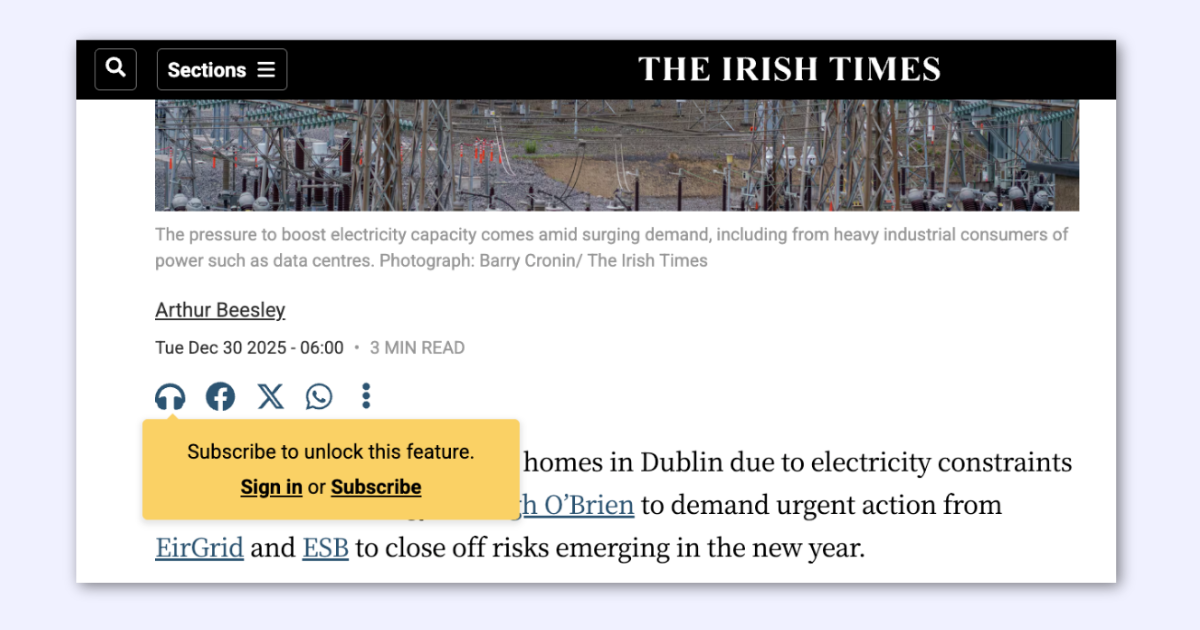
Once a user signs up, make sure they’re aware of their new audio perk. You can communicate this through onboarding emails, in-app prompts, and clear signposting on article pages.
Getting subscribers to listen is one of the most effective ways to prevent the “unread guilt factor” that often drives news cancellations. Just a few simple nudges can foster a listening habit that drives subscription satisfaction and supports long-term loyalty.
11. Collect data—and act on it
As with any product, collecting and analyzing performance data helps highlight what’s working, where there’s room to improve, and what to focus on next.
With BeyondWords Analytics, you can track metrics including plays, engagement rate, unique listeners, completion rate, and playback duration.
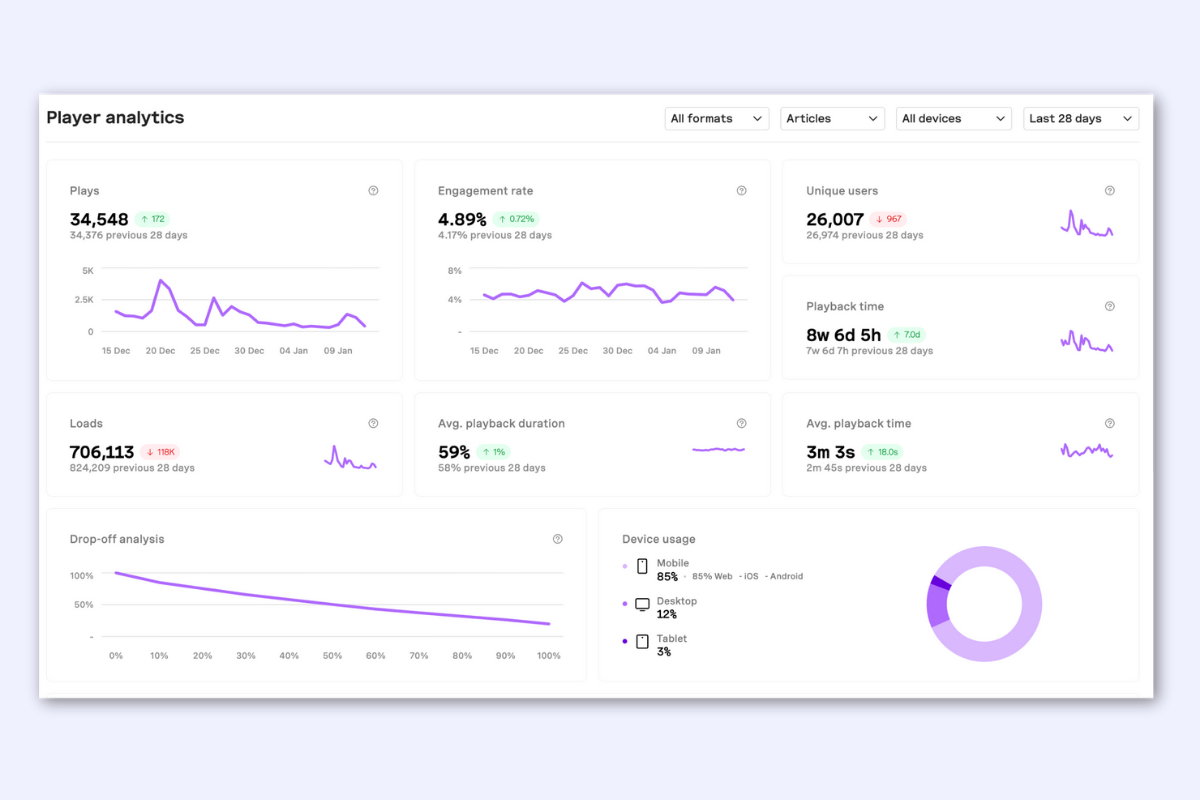
By testing different audio approaches and comparing their performance, you can see what works best for your publication and refine your strategy accordingly.
It’s also helpful to gather feedback directly from the audience you’re trying to serve. Surveying real listeners can surface insights that performance data alone may not reveal.
Talk to an audio engagement expert
At BeyondWords, we’ve worked closely with enterprise publishers at every stage of their audio journey, helping them decide how to approach audio and maximize the value of audio articles.
For expert guidance tailored to your publication, book a meeting today.